
Strategic Sequencing of Game Variants During Overlapping Promotional Windows in Multi-State Casino Chains
Multi-state casino chains coordinate promotional calendars across properties in different jurisdictions, and observers note that overlapping windows create specific sequencing patterns among game types. Data from industry reports show operators align slot tournaments with table game incentives and poker leaderboards when regional regulations permit synchronized marketing pushes. These alignments produce measurable shifts in player movement between game floors, particularly when loyalty programs track activity across state lines.
Promotional Overlap Patterns Across Jurisdictions
Chains operating in Nevada, New Jersey, and Pennsylvania publish annual calendars that frequently place free-play offers alongside multiplier events on progressive banks. According to figures released by the American Gaming Association, combined revenue from these periods rises when properties stagger start times for video poker promotions against blackjack side-bet bonuses. Operators adjust minimum bet thresholds in one state to complement higher-limit tables in another, allowing players to rotate through variants without resetting loyalty accrual clocks.
September 2026 marks a notable window for several Midwestern and East Coast properties, where new regulatory approvals have expanded the number of linked progressive networks. Chains use these dates to test sequencing models that route participants from high-volatility slots into lower-edge table games once initial free-play thresholds are met.
Game Variant Rotation Mechanics
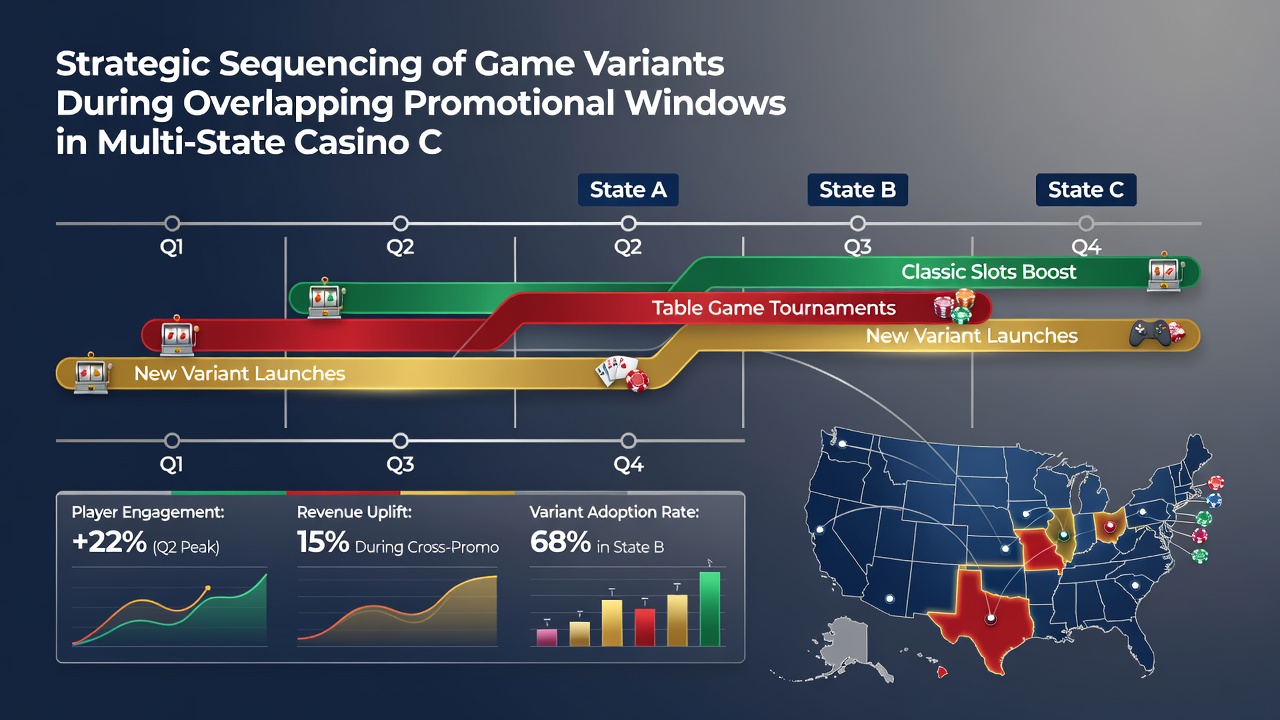
Operators track session data that reveals players often begin with slot qualifiers before transitioning into poker sit-and-gos when overlapping point multipliers activate. Research from state gaming commissions indicates that such rotations increase average handle per visit when the transition occurs before promotional expiration timers reset. Video poker variants serve as an intermediate step in many sequences because their payout tables align with both slot and table game tracking systems.
Multi-state loyalty platforms record these transitions automatically, and the resulting datasets help chains refine floor layouts. One documented case showed a property cluster in the Midwest increasing table game occupancy by 18 percent after introducing staggered entry windows that funneled slot players directly into adjacent poker rooms.
Data Integration and Timing Adjustments
Centralized player tracking systems pull real-time information from each jurisdiction's reporting portal, and analysts adjust promotional parameters when volume spikes appear in one game category. Nevada Gaming Control Board filings demonstrate that properties sharing loyalty databases across state borders achieve tighter synchronization of bonus fulfillment deadlines. This coordination reduces instances where players exhaust one offer before accessing the next variant in the intended sequence.
Chains also monitor atmospheric and calendar factors that historically influence attendance, though regulatory filings emphasize that sequencing decisions rest primarily on historical handle data rather than external variables. When overlapping windows coincide with major sporting events, operators shift emphasis toward table games with side bets that carry point multipliers, while slot floors receive secondary traffic through linked progressives.
Regulatory Considerations in Multi-State Operations
Each state maintains distinct rules governing bonus structures and advertising claims, which forces chains to maintain separate compliance teams. Reports from the Ontario Lottery and Gaming Corporation highlight similar sequencing challenges in cross-province operations, where differing tax treatments affect how operators allocate promotional budgets. These constraints shape the order in which game variants receive marketing emphasis during shared promotional periods.
Industry associations publish guidelines that recommend documenting transition logic between game types to satisfy audit requirements in every jurisdiction. Chains that maintain transparent sequencing records report fewer compliance reviews during peak overlap months.
Conclusion
Multi-state casino chains continue to refine sequencing approaches as promotional calendars grow more complex and regulatory environments evolve. Data integration across jurisdictions supports rotation patterns that move participants through slot, table, and poker offerings within defined windows. September 2026 will provide additional test cases as new networks come online, adn filings from multiple gaming commissions will likely document the resulting traffic flows.